Prisma
Self-deployable receiver improving disaster response workflows
Prisma
Self-deployable receiver improving disaster response workflows
2026
Lund University School of Industrial Design
Master Thesis
16 Weeks
2026
Lund University School of Industrial Design
Master Thesis
16 Weeks
In collaboration with
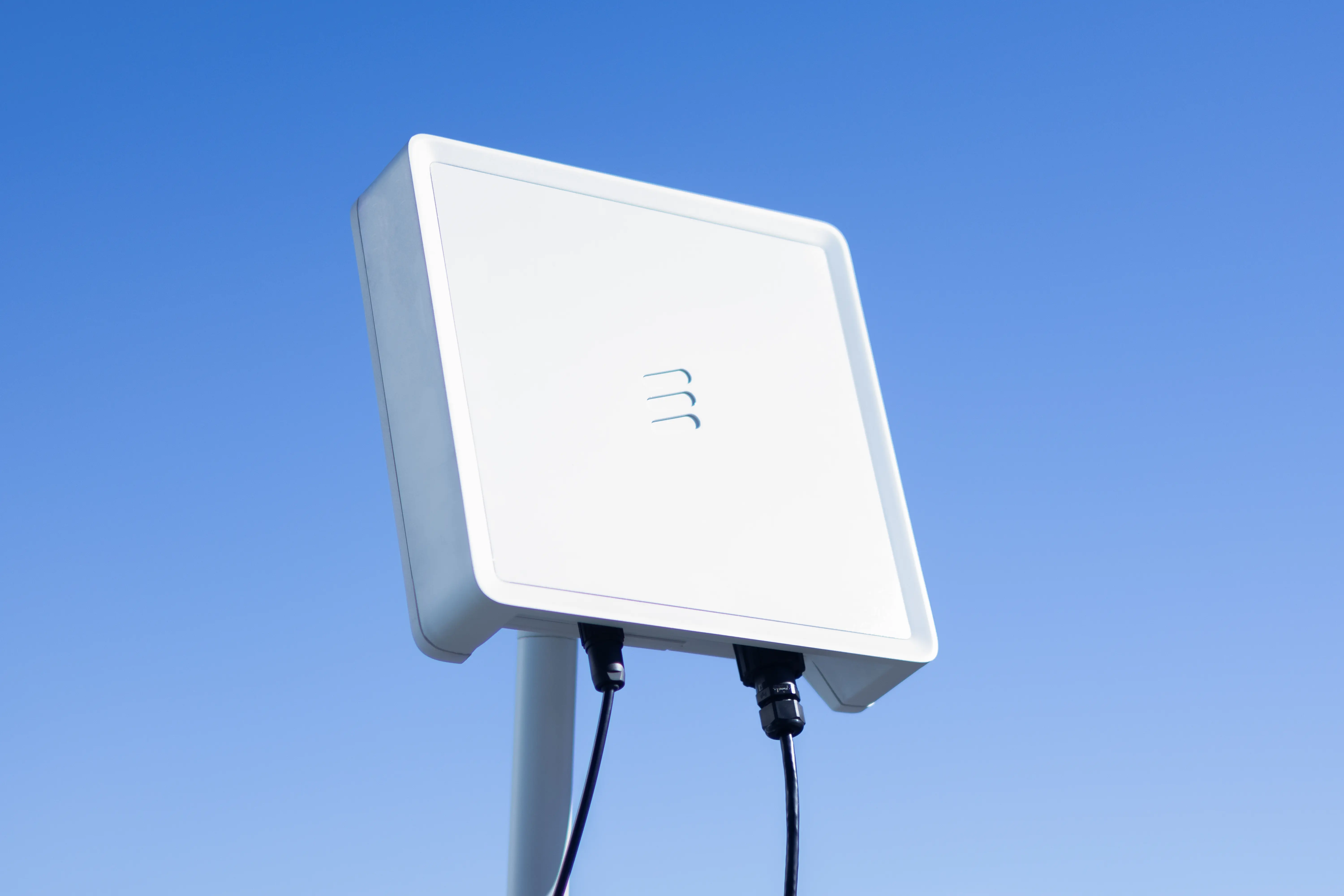
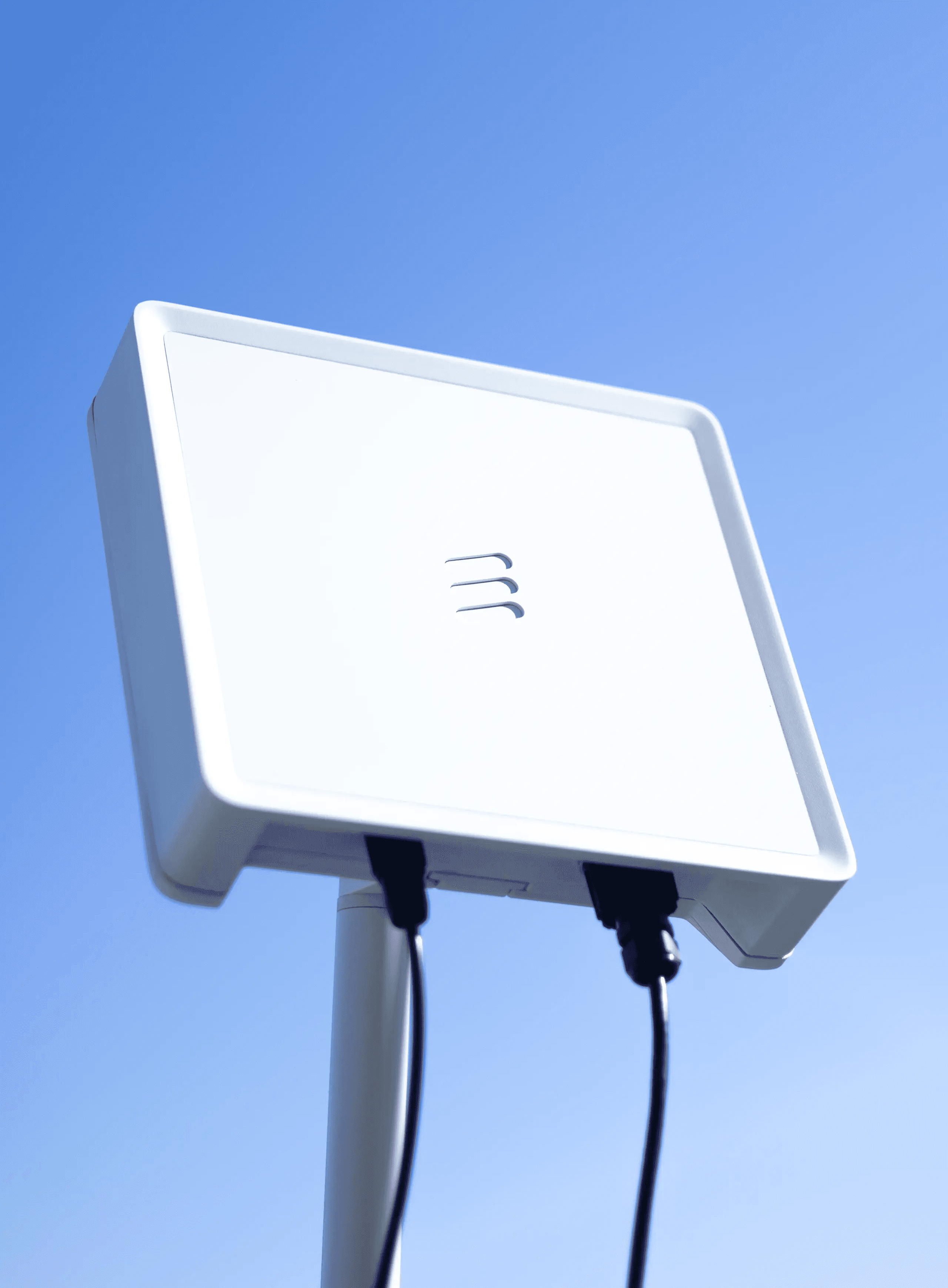
This master's thesis explored the importance of telecommunications in natural disaster response and how current network recovery workflows and processes can be improved. The project resulted in a receiving antenna that gives first responders at hospitals and other critical infrastructure the ability to independently connect to temporary networks used in current disaster response efforts.
See the process.

Footage - UNICEF/UNI639342/Pham Ha Duy Linh
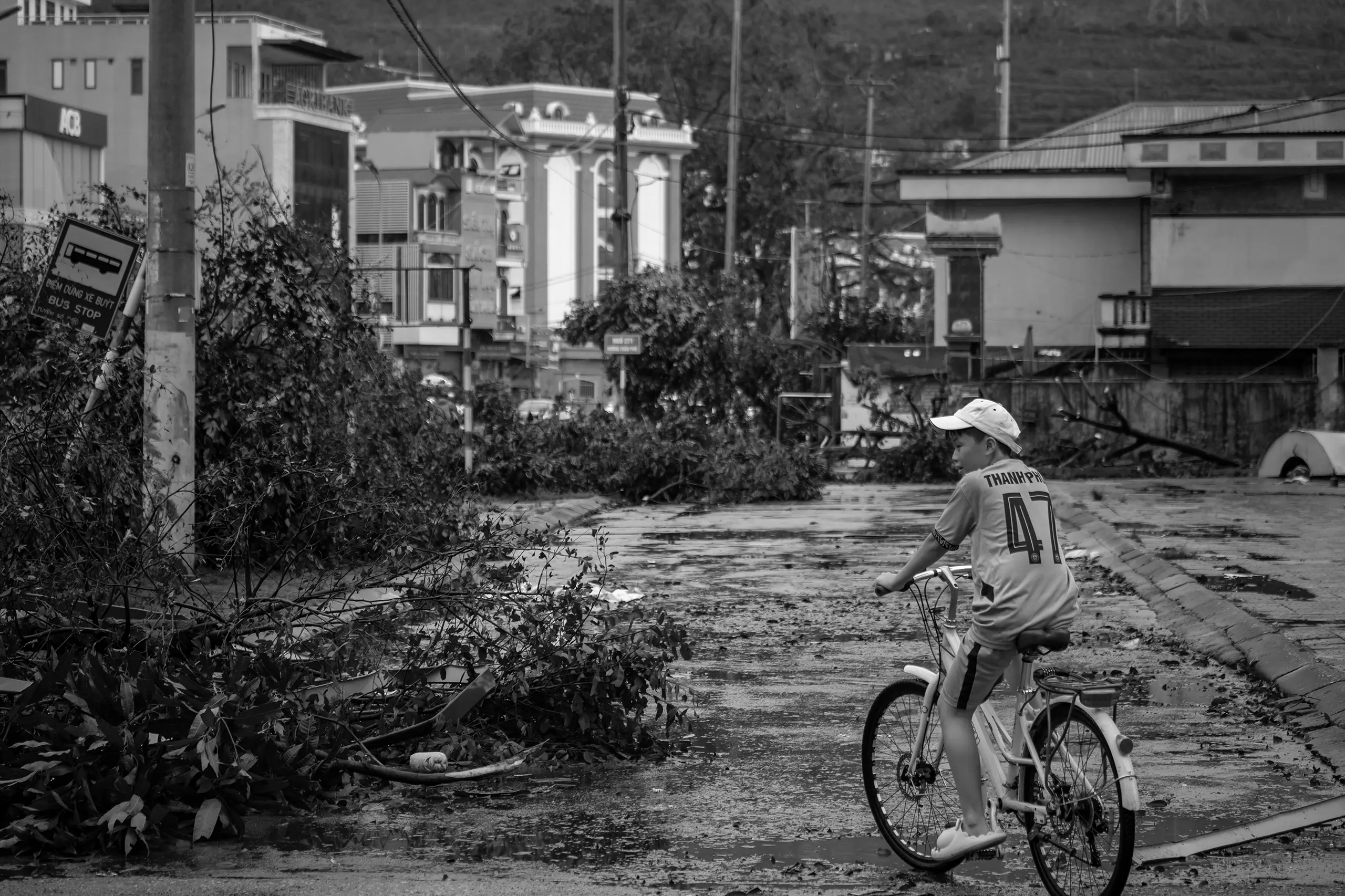
Increasing threat of natural disasters worldwide
Natural disasters are becoming more frequent and severe as a result of climate change and other environmental factors. Their growing impact places increasing pressure on communities and infrastructure worldwide, highlighting the need for effective preparedness, resilient systems, and rapid emergency response.
United Nations Office for Disaster Risk Reduction, 2020
All economic figures are adjusted to inflation for US$ 2019.
Disasters include disasters categorized as meteorological, climatological, or hydrological.


Telecommunication in disaster response
Disaster response depends on reliable communication. Telecommunications enable coordination between hospitals, emergency services, and relief organizations, but this infrastructure is often disrupted during disasters when it is needed most. Initiatives such as Ericsson Response help restore connectivity by deploying temporary communication networks in affected areas, enabling faster coordination and more effective emergency response.
Emergency Network Setup
Interviews with disaster response experts and Ericsson Response staff, who have deployed temporary telecommunications networks at disaster sites worldwide over the past 20 years, provided valuable insight into how these networks are established in challenging and high-pressure environments.
Problem Definition
Ericsson Response restores connectivity with a team of four specialists. In large-scale disasters, the number of affected locations increases rapidly, making the sequential deployment process of all receiving antennas slow and causing long delays before all sites are connected.
Design Opportunity
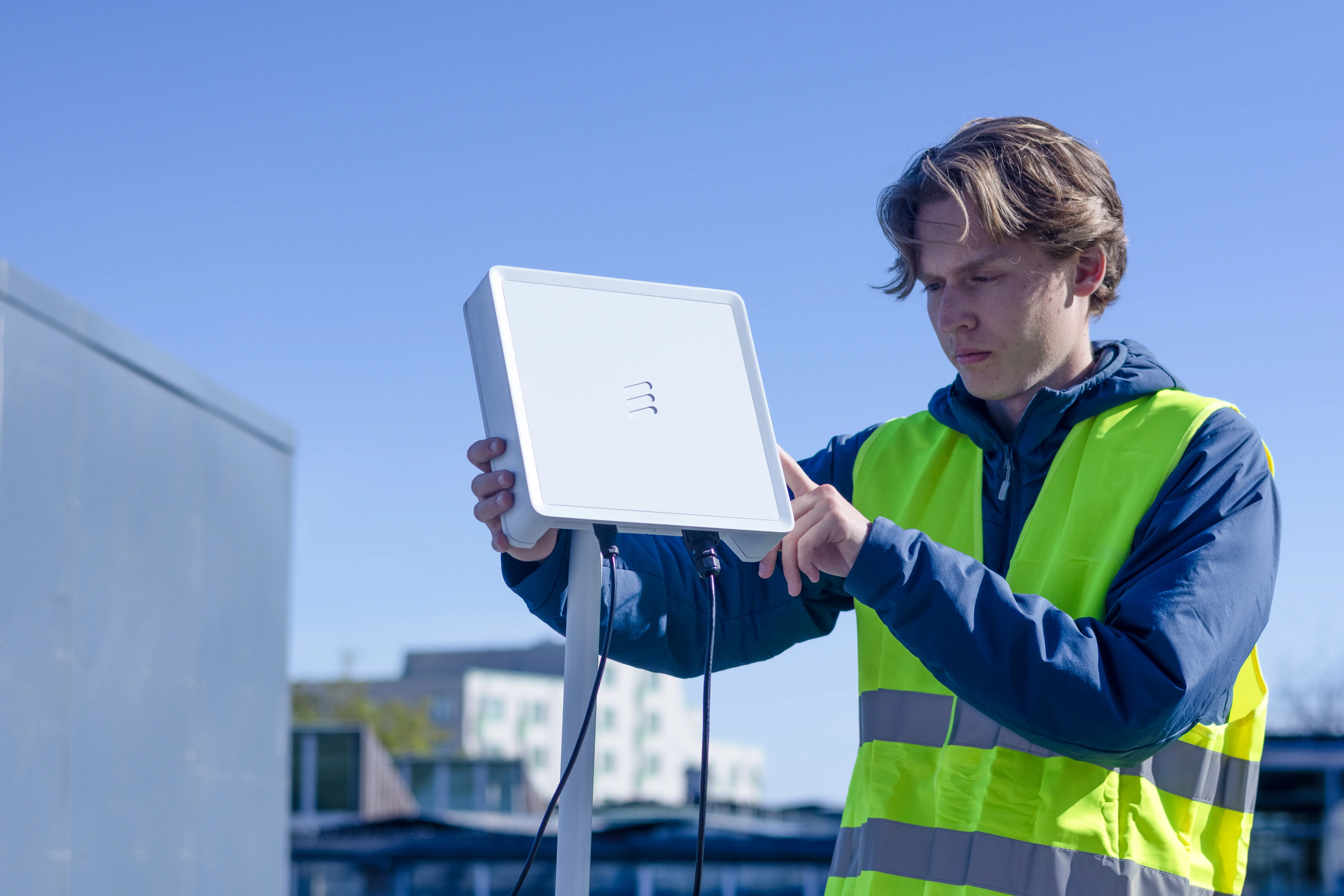
Enabling local staff to deploy receiving antennas would allow critical sites to connect independently to the emergency telecommunications network, reducing the time to connectivity and freeing Ericsson Response personnel to focus on establishing the core network.
Users
Personas were developed to understand the different user groups that may interact with the antenna, with a particular focus on their level of telecommunications experience.

Untrained First Responder

Trained First Responder

Ericsson Response Volunteer
User Environments
Based on the user research, several installation environments were identified. Understanding these contexts was essential for designing the mounting system and addressing the challenges users may encounter during installation.

Rooftops

Infrastructure with inaccessible rooftops

Ground Placement
Development
To ground the concept in reality, a conceptual technical package was developed in collaboration with Ericsson engineers. Based on the components required for this use case, it provided a realistic framework for the design and guided further development.


Prototyping and User Testing


Interface Development

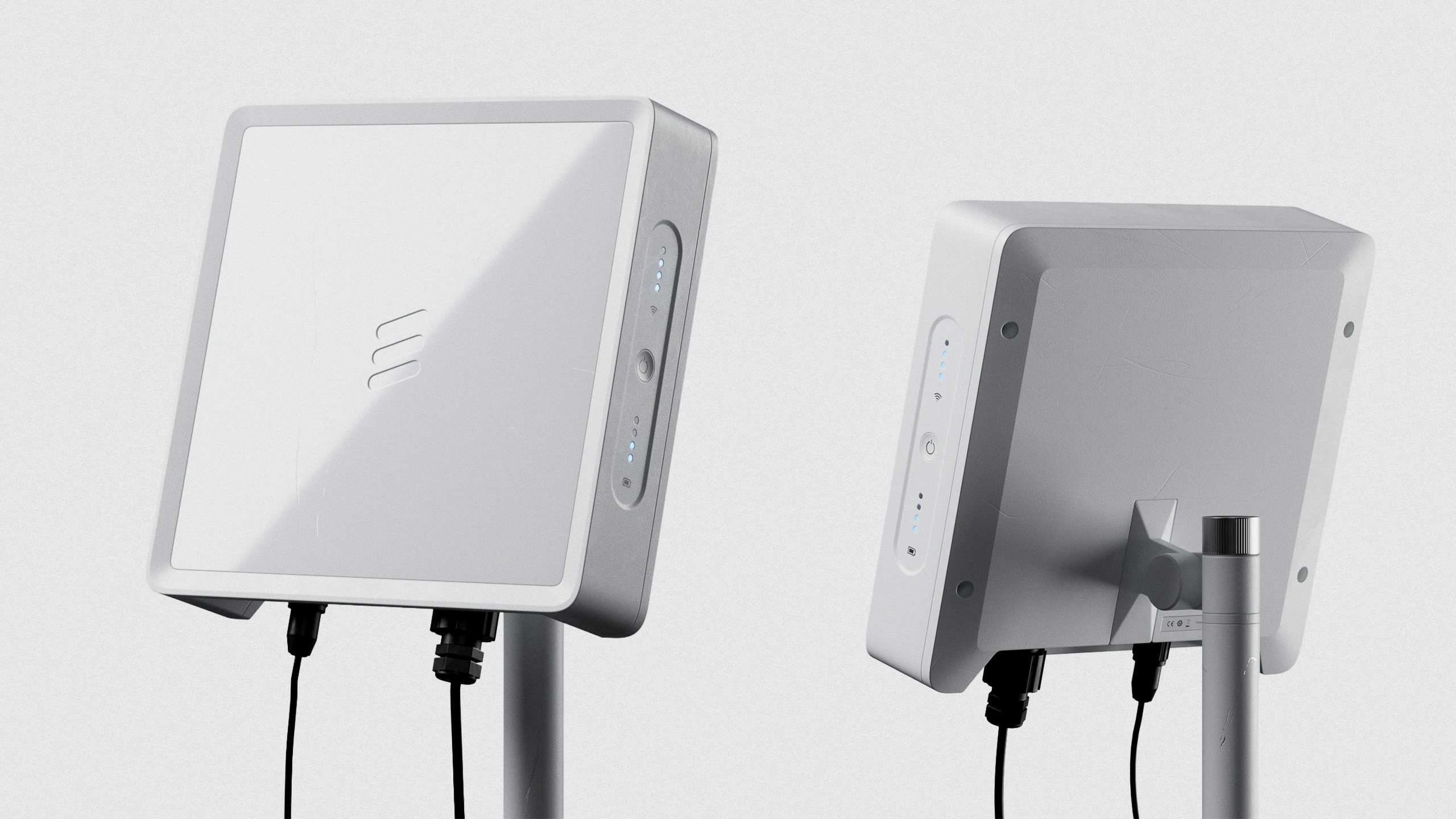
The radome is the protective front cover of the antenna. Made from thin plastic that allows radio signals to pass through, it is relatively delicate. A recessed form and glossy finish subtly communicate that this surface should be handled with care while maintaining a clean, unobtrusive appearance.

CAD and final Prototype


See the process.

Footage - UNICEF/UNI639342/Pham Ha Duy Linh
Increasing threat of natural disasters worldwide
Natural disasters are becoming more frequent and severe as a result of climate change and other environmental factors. Their growing impact places increasing pressure on communities and infrastructure worldwide, highlighting the need for effective preparedness, resilient systems, and rapid emergency response.
United Nations Office for Disaster Risk Reduction, 2020
All economic figures are adjusted to inflation for US$ 2019.
Disasters include disasters categorized as meteorological, climatological, or hydrological.


Telecommunication in disaster response
Disaster response depends on reliable communication. Telecommunications enable coordination between hospitals, emergency services, and relief organizations, but this infrastructure is often disrupted during disasters when it is needed most. Initiatives such as Ericsson Response help restore connectivity by deploying temporary communication networks in affected areas, enabling faster coordination and more effective emergency response.
Emergency Network Setup
Interviews with disaster response experts and Ericsson Response staff, who have deployed temporary telecommunications networks at disaster sites worldwide over the past 20 years, provided valuable insight into how these networks are established in challenging and high-pressure environments.
Problem Definition
Ericsson Response restores connectivity with a team of four specialists. In large-scale disasters, the number of affected locations increases rapidly, making the sequential deployment process of all receiving antennas slow and causing long delays before all sites are connected.
Design Opportunity
Enabling local staff to deploy receiving antennas would allow critical sites to connect independently to the emergency telecommunications network, reducing the time to connectivity and freeing Ericsson Response personnel to focus on establishing the core network.
Users
Personas were developed to understand the different user groups that may interact with the antenna, with a particular focus on their level of telecommunications experience.

Untrained First Responder

Trained First Responder

Ericsson Response Volunteer
User Environments
Based on the user research, several installation environments were identified. Understanding these contexts was essential for designing the mounting system and addressing the challenges users may encounter during installation.

Rooftops

Infrastructure with inaccessible rooftops

Ground Placement
Development
To ground the concept in reality, a conceptual technical package was developed in collaboration with Ericsson engineers. Based on the components required for this use case, it provided a realistic framework for the design and guided further development.


Prototyping and User Testing


Interface Development

The radome is the protective front cover of the antenna. Made from thin plastic that allows radio signals to pass through, it is relatively delicate. A recessed form and glossy finish subtly communicate that this surface should be handled with care while maintaining a clean, unobtrusive appearance.

CAD and final Prototype


See the process.

Footage - UNICEF/UNI639342/Pham Ha Duy Linh
Increasing threat of natural disasters worldwide
Natural disasters are becoming more frequent and severe as a result of climate change and other environmental factors. Their growing impact places increasing pressure on communities and infrastructure worldwide, highlighting the need for effective preparedness, resilient systems, and rapid emergency response.
United Nations Office for Disaster Risk Reduction, 2020
All economic figures are adjusted to inflation for US$ 2019.
Disasters include disasters categorized as meteorological, climatological, or hydrological.


Telecommunication in disaster response
Disaster response depends on reliable communication. Telecommunications enable coordination between hospitals, emergency services, and relief organizations, but this infrastructure is often disrupted during disasters when it is needed most. Initiatives such as Ericsson Response help restore connectivity by deploying temporary communication networks in affected areas, enabling faster coordination and more effective emergency response.
Emergency Network Setup
Interviews with disaster response experts and Ericsson Response staff, who have deployed temporary telecommunications networks at disaster sites worldwide over the past 20 years, provided valuable insight into how these networks are established in challenging and high-pressure environments.
Problem Definition
Ericsson Response restores connectivity with a team of four specialists. In large-scale disasters, the number of affected locations increases rapidly, making the sequential deployment process of all receiving antennas slow and causing long delays before all sites are connected.
Design Opportunity
Enabling local staff to deploy receiving antennas would allow critical sites to connect independently to the emergency telecommunications network, reducing the time to connectivity and freeing Ericsson Response personnel to focus on establishing the core network.
Users
Personas were developed to understand the different user groups that may interact with the antenna, with a particular focus on their level of telecommunications experience.

Untrained First Responder

Trained First Responder

Ericsson Response Volunteer
User Environments
Based on the user research, several installation environments were identified. Understanding these contexts was essential for designing the mounting system and addressing the challenges users may encounter during installation.

Rooftops

Infrastructure with inaccessible rooftops

Ground Placement
Development
To ground the concept in reality, a conceptual technical package was developed in collaboration with Ericsson engineers. Based on the components required for this use case, it provided a realistic framework for the design and guided further development.


Prototyping and User Testing


Interface Development

The radome is the protective front cover of the antenna. Made from thin plastic that allows radio signals to pass through, it is relatively delicate. A recessed form and glossy finish subtly communicate that this surface should be handled with care while maintaining a clean, unobtrusive appearance.

CAD and final Prototype


Prisma
Prisma
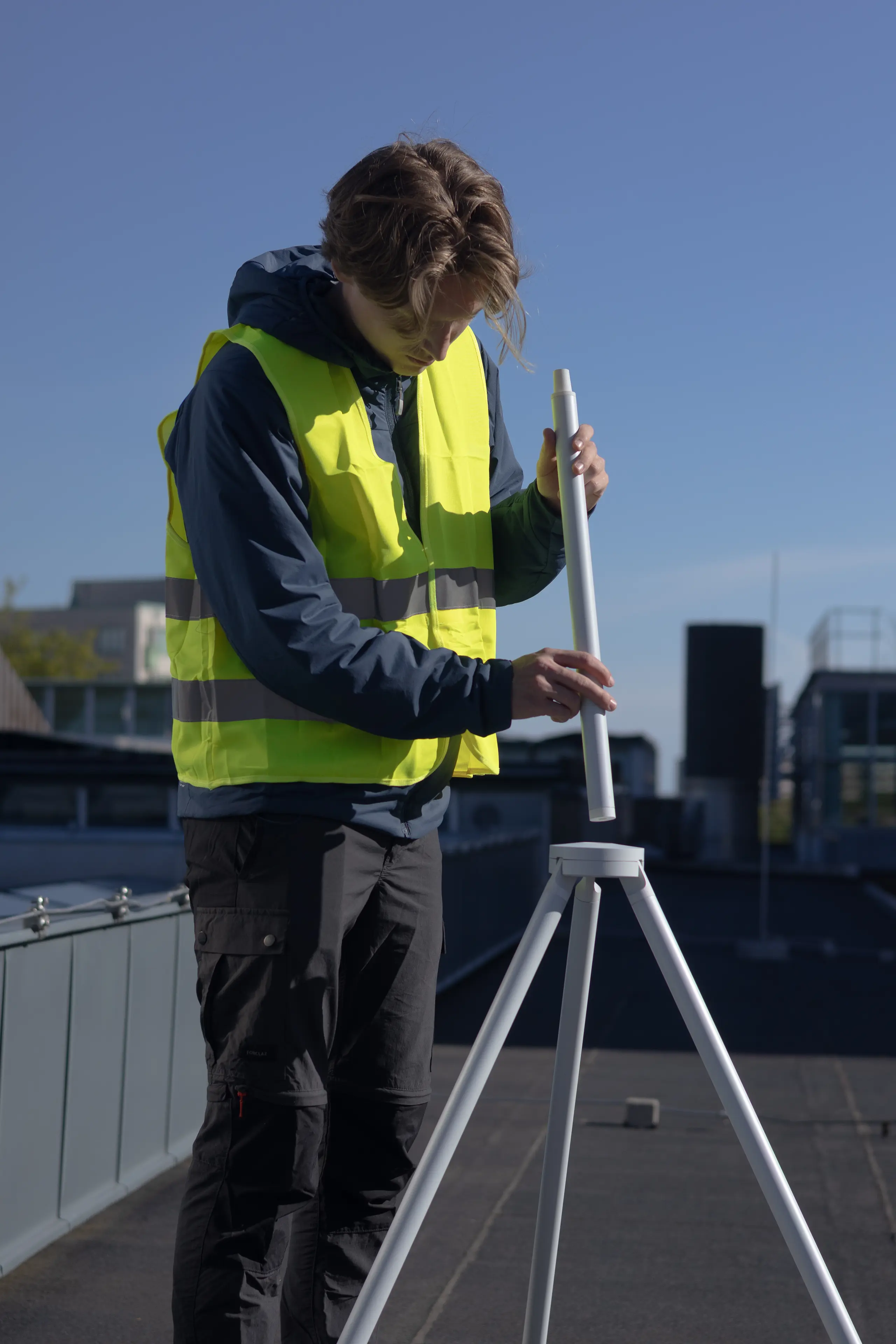
Ericsson Prisma is a self-deployable receiving antenna that reinterprets current telecommunications response workflows in natural disasters. By enabling local staff to connect to the emergency network independently, the time required to restore connectivity at critical sites can be significantly reduced. Therefore, the antenna is designed to be inherently simple to install, even for users without prior experience.

Installation Workflow

Ground Placement
Ground Placement
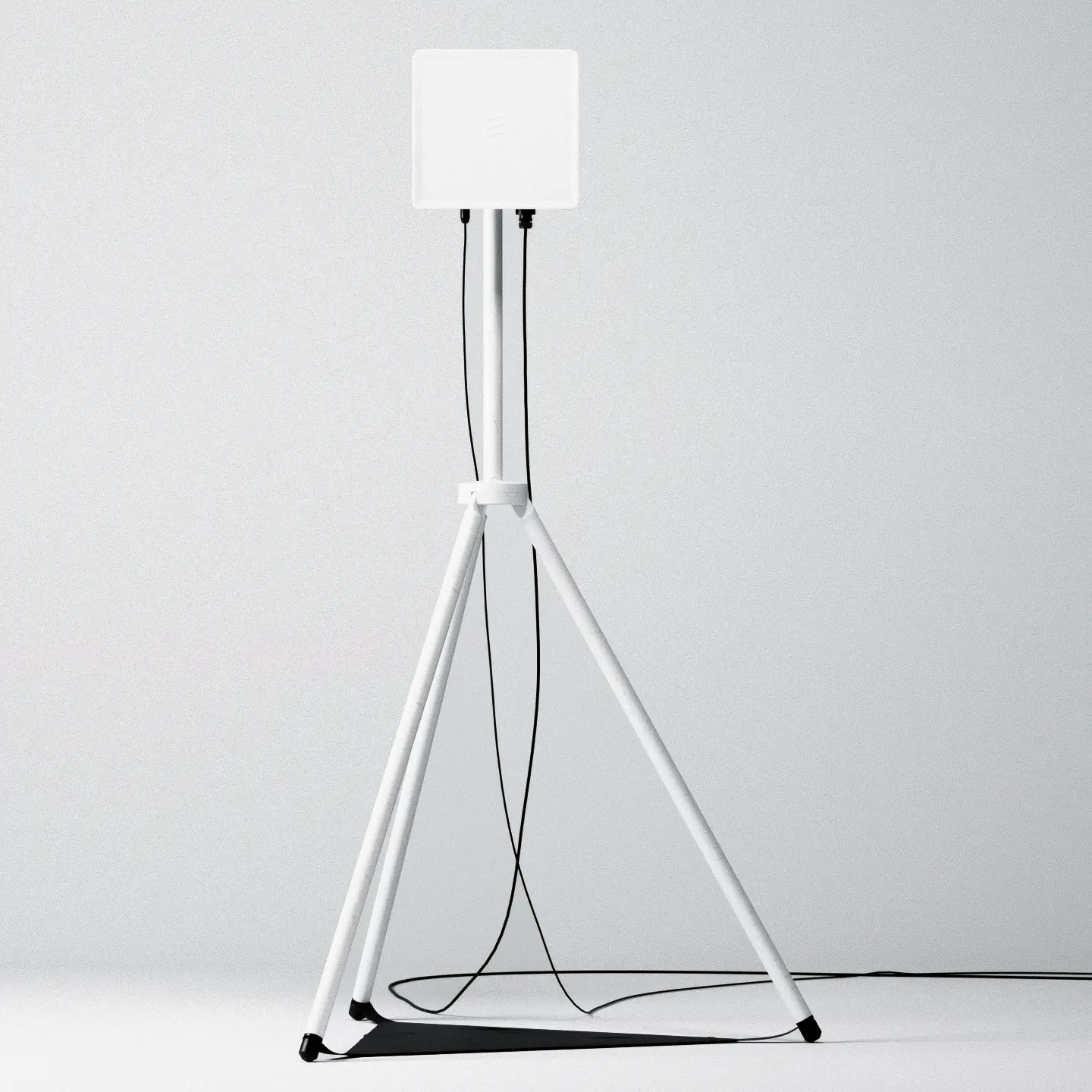
The tripod mount allows the user to install the antenna on the ground without any tools. Its legs provide stability on uneven terrain, while a ripstop net between them allows weight to be placed on it, adding stability against varying wind conditions.

Pole Mount
Pole Mount
Utility poles are common in the intended deployment environment. The V-shaped pole mount adapts to different pole diameters and attaches securely with zip ties, enabling fast, tool-free installation.

Wall Mount
Wall Mount
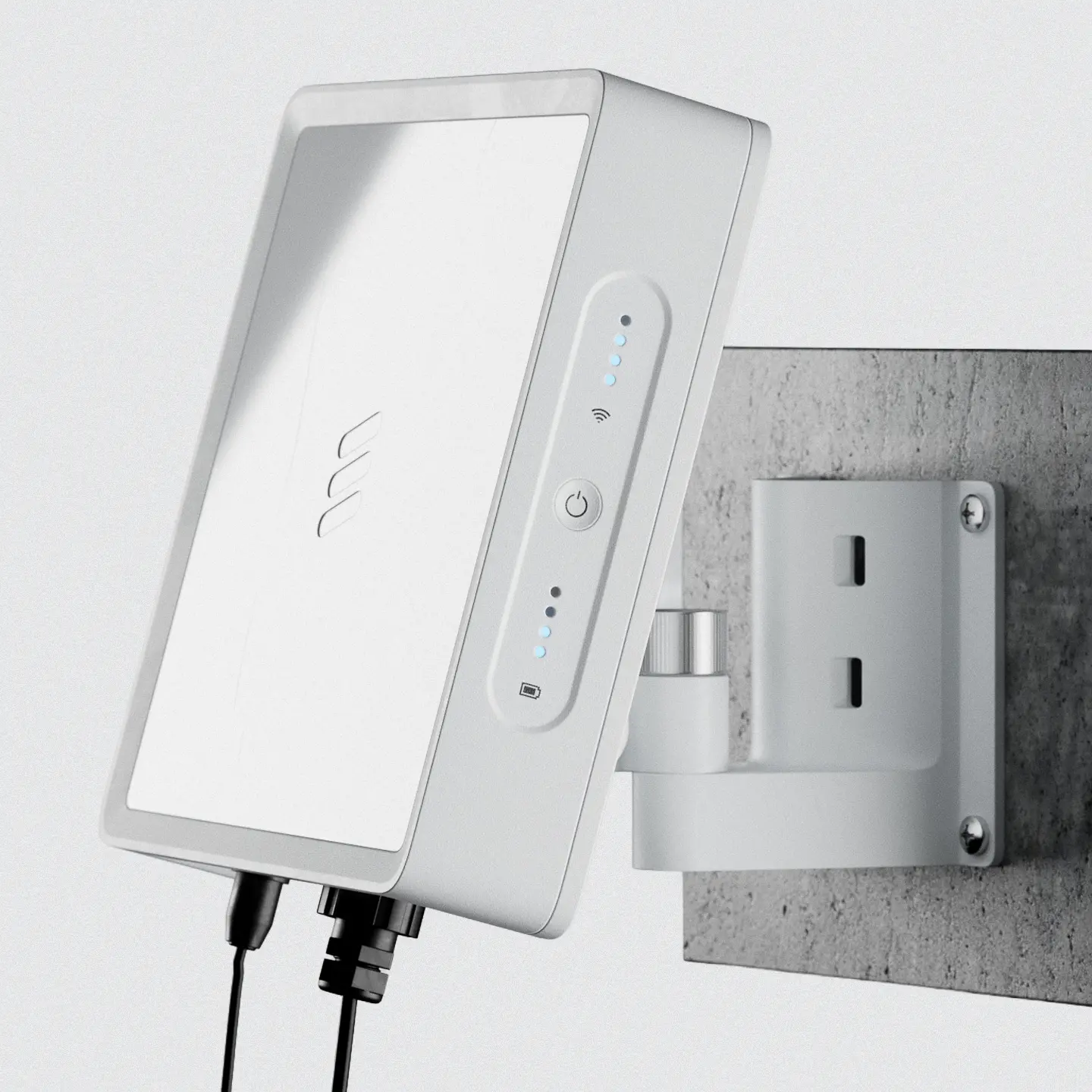
Wall mounting is another common installation option where a suitable surface is available. This mounting method requires basic tools.


Interface
The interface was designed to be intuitive for users with no installation experience. Dot-matrix indicators provide a simple visual representation of signal strength for antenna alignment and battery level when external power is unavailable. The iconography is based on familiar mobile phone symbols, making both indicators easy to understand across different users and regions.
Power and Connectivity
Users can connect both the power and RJ45 connectors to the receiver using IP65-rated bayonet connectors. This connector system simplifies and speeds up assembly. The RJ45 cable can be routed to the nearest router or network system, allowing the antenna to provide network connectivity. Power can be be supplied either through the dedicated power cable, which supports various sources such as generators or portable solar panels, or through the RJ45 cable using Power over Ethernet (PoE). This redundant power supply ensures that the antenna remains powered even if one source becomes unavailable.
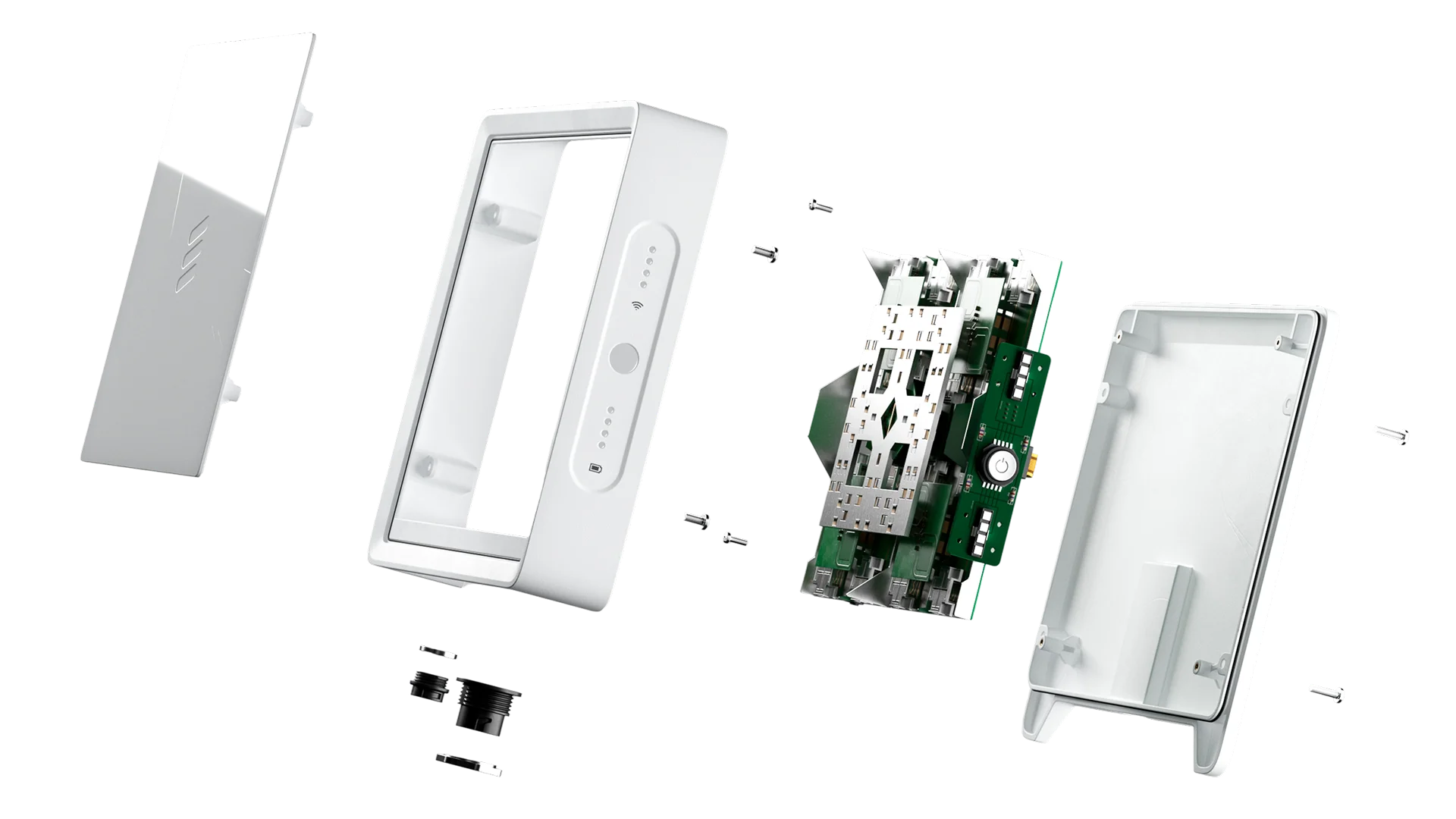
Design for Manufacturing
The design considers the technical package, IP requirements, and EU right-to-repair standards. The goal was to simplify assembly and servicing as much as possible. The housing is designed for injection moulding using an ASA-PC blend to withstand demanding environmental conditions such as UV exposure and physical stress.
User Journey
In collaboration with experts, the existing user journey was redesigned. The core concept is to shift the installation of receiving antennas from Ericsson Response personnel to staff already present at critical infrastructure sites such as hospitals or fire stations. This enables all sites to connect simultaneously to the temporary telecommunications network deployed by Ericsson Response. Beyond reducing the workload on response teams, this approach empowers local personnel to quickly restore connectivity where it is needed most.